
Overview
Tribal Litigation Attorney
Representing Native American Individuals, Families, and Communities in Complex Litigation
Singleton Schreiber is a client-centered law firm with experience in wildfire litigation, environmental litigation, class actions, personal injury and wrongful death, civil rights, public entity law, mass torts, consumer protection, insurance recovery and bad faith, and whistleblower and False Claims Act matters. Our clients are at the center of the work we do, and we have the experience and resources to pursue complex litigation against corporations, government entities, and other responsible parties.
Our Tribal Litigation practice brings those resources to Native American individuals, families, and communities facing serious legal challenges. Our attorneys handle matters involving Indian Health Service (IHS) medical malpractice, the Federal Tort Claims Act (FTCA), personal injury and wrongful death, government entities, environmental harms, and other complex claims that may involve federal, state, and Tribal law.
Call now to work with a seasoned tribal lawyer.

FEDERAL, STATE, AND TRIBAL LAW CAN ALL PLAY A ROLE
Claims involving IHS facilities, federal agencies, government entities, or events on Tribal lands may follow different procedures, deadlines, and jurisdictional rules than an ordinary injury claim. Depending on the facts and governing law, where the harm occurred and who was responsible can determine which law applies and how a claim must be pursued.

Experience Representing Native American Communities
Ted Barudin is a leading tribal attorney in New Mexico with extensive experience representing Native American individuals and families in complex litigation. His work includes matters in federal, state, and Navajo courts, with significant experience involving Indian Health Service claims, medical malpractice, the Federal Tort Claims Act, personal injury, wrongful death, and government entities.
Ted has extensive experience representing Native American patients and families harmed by negligent medical care, including claims involving Indian Health Service facilities in New Mexico and Arizona and the Navajo Nation. His work includes cases involving wrongful death, birth injuries, surgical errors, and other serious medical negligence.
Among his significant results is a $15.3 million federal judgment in the U.S. District Court for the District of New Mexico in a medical malpractice case involving a minor child and care provided at Gallup Indian Medical Center.
Ted also brings significant experience with the Federal Tort Claims Act, which governs many claims arising from the negligence of federal employees and agencies. He currently serves as Secretary of the American Association for Justice Federal Tort Claims Act Section and previously served as Chair of the Section.
Ted's experience representing Native American clients, combined with the resources and multidisciplinary litigation capabilities of Singleton Schreiber, strengthens the firm's ability to pursue complex claims involving Native American individuals, families, and communities.
Indian Health Service (IHS) Claims
Native American patients rely on the Indian Health Service for critical healthcare, and they deserve to receive competent and appropriate medical treatment. When medical negligence at an IHS facility causes serious injury or death, pursuing accountability can require navigating a legal process that differs significantly from a traditional medical malpractice claim.
Singleton Schreiber represents Native American individuals and families in claims involving IHS medical care, including matters in New Mexico and Arizona and involving the Navajo Nation. These cases may arise from wrongful death, birth injuries, surgical errors, delayed or improper treatment, and other forms of medical negligence.
Because IHS is an agency of the federal government, medical malpractice claims involving IHS providers may be governed by the Federal Tort Claims Act. Understanding the relationship between medical malpractice law and federal claims procedures is critical to protecting an injured patient's rights.
Federal Tort Claims Act (FTCA)
The Federal Tort Claims Act provides a legal avenue for individuals who have been harmed by the negligence or wrongful conduct of certain federal employees acting within the scope of their employment. For Native American individuals and families, the FTCA can be particularly important in claims involving IHS healthcare and other federal agencies.
FTCA cases involve specific administrative procedures, deadlines, and jurisdictional requirements that differ from ordinary personal injury and medical malpractice lawsuits. Singleton Schreiber has experience navigating these requirements and pursuing complex claims against the federal government.
Our attorneys investigate the circumstances surrounding an injury, identify the responsible federal entities, and pursue compensation for the losses suffered by our clients.
Medical Malpractice and Wrongful Death
Medical negligence can leave individuals and families facing devastating and lifelong consequences. Singleton Schreiber represents Native American clients in serious medical malpractice and wrongful death cases involving birth injuries, surgical errors, negligent treatment, and other preventable medical harm.
The legal path for these cases may depend on where treatment occurred and who provided the care. Claims involving IHS facilities and federal healthcare providers may proceed under the Federal Tort Claims Act, while other medical negligence cases may involve different federal, state, or Tribal considerations.
Our attorneys work to determine which laws apply, identify responsible parties, and pursue accountability for patients and families who have suffered because of negligent medical care.
Personal Injury, Car and Truck Accidents
Singleton Schreiber represents Native American individuals and families who have suffered serious injuries in car accidents, truck crashes, and other preventable incidents.
These cases can become particularly complex when an accident occurs on Tribal lands or involves Tribal, federal, state, or other governmental entities. Questions about jurisdiction, applicable law, and the parties responsible for an injury may significantly affect how a claim must be pursued.
Our attorneys have the resources to investigate serious accidents and pursue compensation for medical expenses, lost income, pain and suffering, and other losses caused by the negligence of others.
Claims Involving the BIA and Other Government Entities
Native American individuals may suffer harm through the actions or negligence of government agencies and institutions. Singleton Schreiber handles matters involving the Bureau of Indian Affairs (BIA), police, jails, prisons, detention facilities, and other government entities.
Claims against government agencies can involve unique procedural requirements, deadlines, jurisdictional questions, and limitations on when and how a government entity may be sued. Our attorneys evaluate these issues and identify the appropriate legal avenues for seeking accountability.
The firm's experience in civil rights, public entity law, personal injury, and federal tort litigation allows our Tribal Litigation team to draw on resources across multiple practice areas when government conduct causes serious harm.
Boarding School Acknowledgment and Reparation
For over 100 years, the United States contracted with various religious organizations and other agencies to assist in the management of compulsory school attendance policies applicable to Native Americans. Native children were forcibly removed from their homes and sent to "boarding schools", where they could not speak their language, were separated from their cultures and families, and were taught how "not to be an Indian." Many children suffered physical and mental abuse. The boarding school era resulted in loss of life and the destruction of generations of familial relationships, language, culture, and Tribal connection.
In 2019, the First Nations of Canada pursued acknowledgment and reparations from the Canadian government and the agencies and churches that had operated boarding schools in Canada. In 2023, a settlement was reached that provided funding intended to address the harms caused and help preserve First Nations culture.
Singleton Schreiber is committed to pursuing acknowledgment and accountability for the harms caused by forced assimilation through the U.S. boarding school system. Our tribal lawyers draw upon the firm's litigation experience to pursue remedies for Native American individuals, families, and communities affected by these policies. The firm recognizes that the consequences of abuse, neglect, forced separation, and cultural destruction can extend across generations and supports efforts to address the lasting effects of the boarding school era.

Protecting Indigenous Peoples from Immigration Enforcement Risks
Singleton Schreiber recognizes that Indigenous peoples face unique vulnerabilities in interactions with federal immigration authorities. Tribal members and Indigenous individuals may be subjected to detention or questioning by Immigration and Customs Enforcement (ICE), often without full understanding of their rights or access to culturally appropriate legal resources.
Our tribal attorneys are committed to educating Indigenous communities about their rights, including the right to remain silent, the right to refuse consent to searches, and the right to request an attorney before questioning or detention. Singleton Schreiber provides guidance tailored to the legal protections available to Native communities, particularly in cases where Tribal affiliation, land sovereignty, or cultural practices intersect with immigration enforcement.
Singleton Schreiber has experience defending the rights of detained individuals and challenging unlawful detention practices, including representing families affected by ICE raids and individuals experiencing unlawful removals. Through impact litigation and direct advocacy, the firm works to protect vulnerable communities facing immigration custody and to reinforce due process and accountability within the detention system.
Climate Change
The companies that produce, sell, and promote fossil fuels knew about the impact on the environment and the damage it would cause to natural resources, but concealed it from the public in pursuit of billions of dollars in profits.
Native American communities can face particularly significant consequences from climate change, including increased flooding, loss of land due to rising sea levels, changes to native flora and fauna, wildfire, drought, infrastructure damage, erosion affecting crop production, and damage to culturally significant sites.
Singleton Schreiber has assembled attorneys and professionals with experience addressing complex environmental harms. Our team pursues accountability from companies whose conduct has damaged natural resources and communities, including harms that uniquely affect Native lands and people.
Our tribal attorneys work alongside lawyers and professionals across the firm's environmental practice to address the legal, scientific, economic, and cultural consequences of environmental damage.

Other Environmental Harms
Singleton Schreiber tribal lawyers have substantial experience litigating environmental harms. Our attorneys have pursued claims involving damage caused by utility-caused fires, lead, cadmium, arsenic and other heavy metals, petroleum products, uranium and other radionuclides, mining wastes, PFAS ("Forever Chemicals"), asbestos, particulates, and solvents affecting air, soil, and water.
Singleton Schreiber lawyers have pursued claims involving property value loss, physical property damage, medical monitoring, personal injury, business losses, erosion, crop damage, infrastructure costs, contamination mitigation and remediation costs, and other economic losses.
Environmental contamination on Tribal lands can create harms that extend beyond conventional measures of property damage. Contamination may affect natural resources, community health, culturally significant locations, traditional practices, agriculture, and the long-term use of Tribal lands.
Singleton Schreiber is uniquely positioned to investigate and pursue these complex environmental claims. The firm has on-staff environmental scientists who assist in obtaining facts, evaluating contamination, analyzing scientific evidence, and advancing our clients' claims.
Frequently Asked Questions
What Does a Tribal Litigation Attorney Do?
A tribal litigation attorney represents Native American individuals, families, and communities in legal matters that may involve federal, state, and Tribal law. At Singleton Schreiber, this includes Indian Health Service (IHS) medical malpractice, Federal Tort Claims Act (FTCA) claims, personal injury and wrongful death, claims involving government entities, and environmental harms.
Can I Bring a Medical Malpractice Claim Involving an Indian Health Service Facility?
Potentially, yes. Because IHS is an agency of the federal government, medical malpractice claims involving IHS providers may be governed by the Federal Tort Claims Act, which has its own procedures and deadlines. Whether a claim exists depends on the facts and governing law.
What Is the Federal Tort Claims Act?
The Federal Tort Claims Act is a federal law that provides a legal avenue for individuals harmed by the negligence or wrongful conduct of certain federal employees acting within the scope of their employment. FTCA cases involve specific administrative procedures, deadlines, and jurisdictional requirements that differ from ordinary personal injury and medical malpractice lawsuits.
Does It Matter If an Accident Happened on Tribal Lands?
It can. When an accident occurs on Tribal lands or involves Tribal, federal, state, or other governmental entities, questions about jurisdiction, applicable law, and the parties responsible for an injury may significantly affect how a claim must be pursued.
Can I Bring a Claim Against the Bureau of Indian Affairs or Another Government Agency?
In some cases, yes. Claims against government agencies can involve unique procedural requirements, deadlines, jurisdictional questions, and limitations on when and how a government entity may be sued, so the appropriate legal avenue depends on the agency involved and the facts of the case.
What Experience Does Singleton Schreiber Have With IHS Claims?
Singleton Schreiber attorney Ted Barudin has extensive experience representing Native American patients and families in claims involving Indian Health Service facilities in New Mexico and Arizona and the Navajo Nation. His results include a $15.3 million federal judgment in the U.S. District Court for the District of New Mexico in a medical malpractice case involving a minor child and care provided at Gallup Indian Medical Center.
Does Singleton Schreiber Handle Boarding School Claims?
Yes. Singleton Schreiber is committed to pursuing acknowledgment and accountability for the harms caused by forced assimilation through the U.S. boarding school system. Its tribal lawyers draw upon the firm's litigation experience to pursue remedies for Native American individuals, families, and communities affected by these policies.
What Rights May Indigenous People Have When Questioned by ICE?
Indigenous individuals questioned by Immigration and Customs Enforcement may have the right to remain silent, the right to refuse consent to searches, and the right to request an attorney before questioning or detention. How these protections apply can depend on the circumstances, including where Tribal affiliation or land sovereignty is involved.
What Environmental Harms Can Affect Tribal Lands?
Contamination from lead, cadmium, arsenic and other heavy metals, petroleum products, uranium and other radionuclides, mining wastes, PFAS, asbestos, particulates, and solvents can affect air, soil, and water. On Tribal lands, contamination may also affect natural resources, community health, culturally significant locations, traditional practices, agriculture, and the long-term use of the land.
Contact a Tribal Litigation Attorney
Claims involving Native American individuals, families, and communities can raise questions about federal, state, and Tribal law, government entities, and the procedures that apply to each. Singleton Schreiber combines Ted Barudin's experience representing Native American clients with the firm's resources and multidisciplinary litigation capabilities. If you or a family member has been harmed by negligent medical care, a serious accident, government conduct, or environmental contamination, contact the firm to discuss the circumstances and potential legal options.
Meet the Team




News & Insights
News
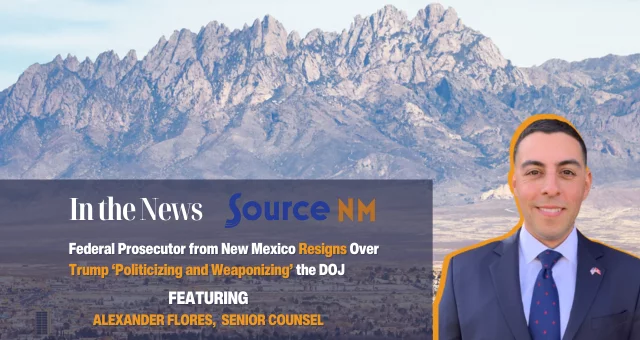 |Media Mention, Source NM
Alexander Flores, Senior Counsel at Singleton Schreiber in Albuquerque, was recently featured in a March 21, 2025, article by Source NM, titled "Federal Prosecutor from New Mexico Resigns ...
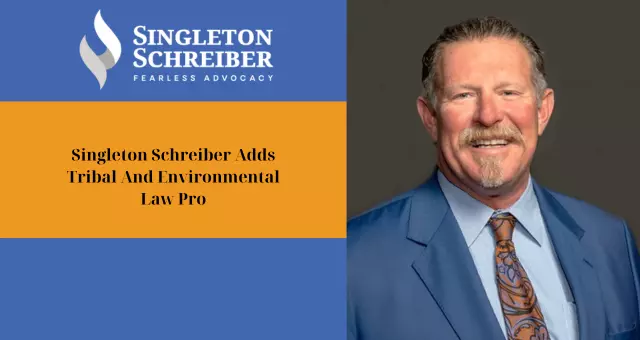 |Media Mention, Law 360
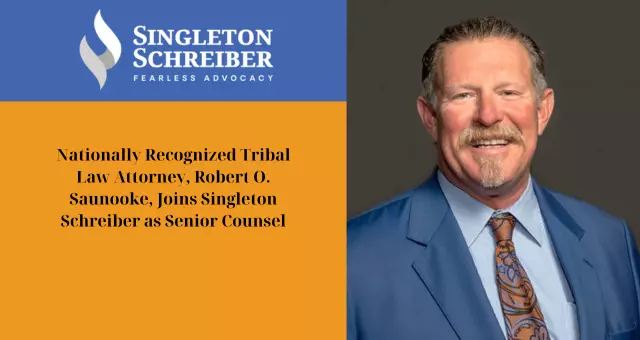
Robert O. Saunooke, Senior Counsel at Singleton Schreiber, was recently featured on Law 360. The article highlights Mr. Saunooke's professional & educational background, his ...
Press Releases
Events
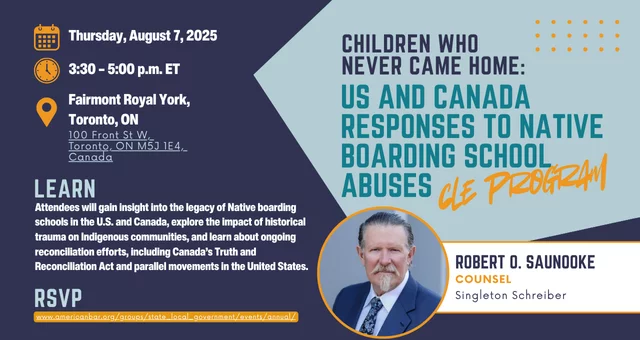 |Event, Fairmont Royal York, Toronto, ON
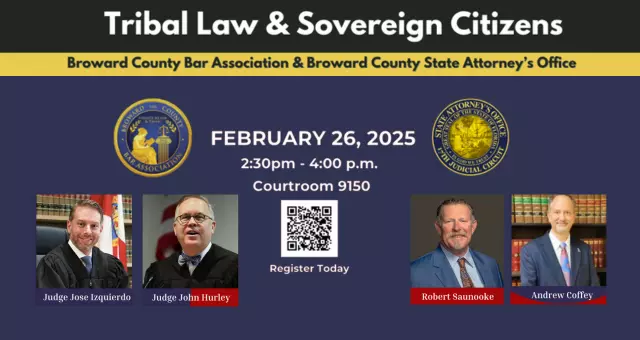 |Speaking Engagement, Broward County Courthouse
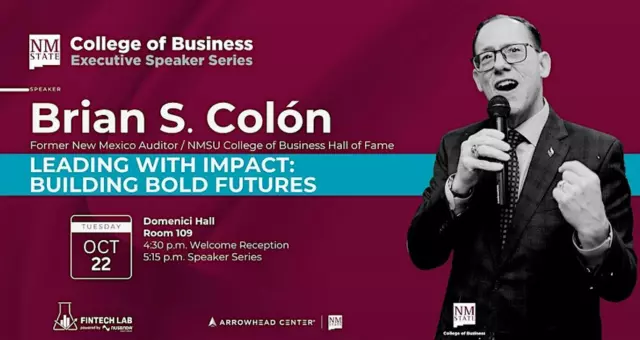 |Speaking Engagement, Las Cruces, NM
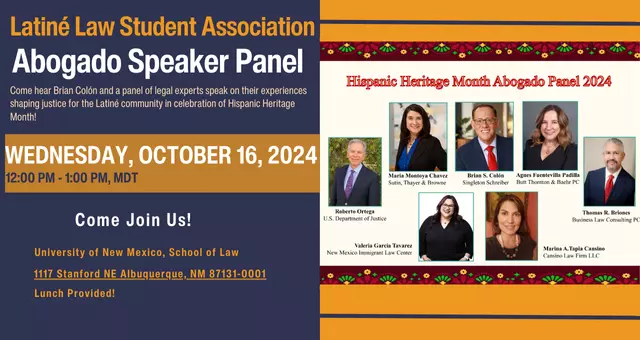 |Speaking Engagement, Albuquerque, NM
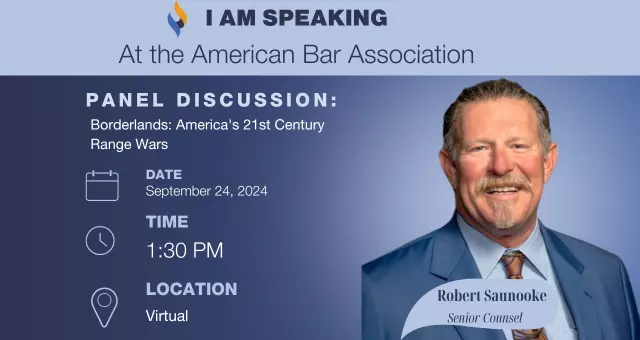 |Speaking Engagement