
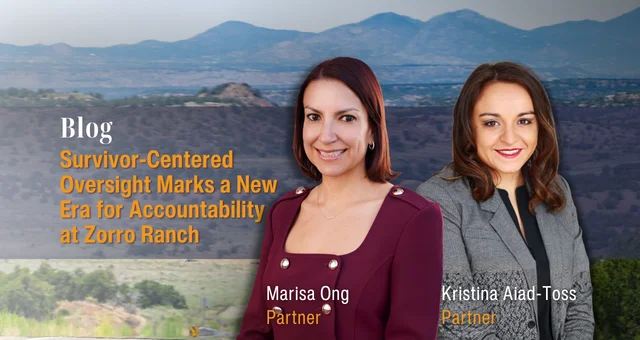
Survivor-Centered Oversight Marks a New Era for Accountability at Zorro Ranch
New Mexico's newly established Epstein Truth Commission marks a pivotal shift in how the state confronts the long-shadowed allegations tied to Jeffrey Epstein's former Zorro Ranch. It signals a future in which survivors, not institutions, help lead the search for truth and accountability.
From the outset, commissioners emphasized that this investigation will be shaped by those whose voices were previously sidelined. Representative Marianna Anaya, a co-sponsor of the bill, addressed survivors directly: "Survivors: I'm so sorry these systems failed you. We see you, we hear you, and we will walk beside you in your quest for justice." Her statement reflects a broader cultural change in New Mexico's approach to abuse and exploitation cases.
With subpoena power and the ability to compel testimony, the Commission is positioned to build a comprehensive record of what occurred at the 7,600-acre ranch outside Santa Fe. At the same time, the New Mexico Department of Justice has launched a criminal investigation into the property. Lawmakers have acknowledged that prior efforts fell short; this time, the state intends to follow every lead. Although the Commission is still in its early stages, survivor participation is already emerging as a central component of its work.
What Is the Epstein Truth Commission, and Why Now?
On February 16, 2026, the New Mexico House of Representatives voted unanimously to establish the bipartisan Epstein Truth Commission through House Resolution 1. Chaired by State Representatives Andrea Romero and Marianna Anaya, the four-member panel composed of two Democrats and two Republicans is empowered to investigate allegations of criminal activity at Zorro Ranch and examine whether local or state officials failed to act when they had the opportunity to do so.
The Commission's creation was sparked by the January 2026 release of millions of Epstein-related federal documents by the U.S. Department of Justice that contained new details about the ranch that had never been publicly examined. That release, combined with long-standing survivor accounts, gave New Mexico lawmakers the push they needed to act where the federal government had not. Representative Romero put it plainly: "He was basically doing anything he wanted in this state without any accountability whatsoever."
Backed by a $2 million budget and armed with subpoena power, the Commission must deliver an interim report by July 2026 and a final report by year's end. Its mandate includes examining why Epstein was never required to register as a sex offender in New Mexico despite a 2008 conviction in Florida, and who among the state's officials and institutions may have known what was happening at the ranch.
A Two-Pronged Investigation
The legislative inquiry does not stand alone. Three days after the Truth Commission was established, Attorney General Raúl Torrez announced the reopening of the state's criminal investigation into Zorro Ranch. On March 9, 2026, investigators began a physical search of the property—the first time law enforcement has formally examined the grounds in the nearly seven years since Epstein's 2019 death. A prior state investigation, launched by then-Attorney General Hector Balderas, had been shut down that same year at the request of federal prosecutors seeking to avoid a "parallel investigation." Those federal investigators never searched the ranch.
Attorney General Torrez has pledged transparency, acknowledging the obstacles plainly: Epstein has been dead for years, the property has changed hands, and statutes of limitations may have run on many potential offenses. "Survivors deserve to hear them stated plainly," he wrote. The Truth Commission, for its part, welcomed the search, calling it "long-overdue steps" and noting that the ranch had long "stood as a symbol of unanswered questions."
Putting Survivors First
What distinguishes New Mexico's approach is its insistence that survivor voices drive the process. The Commission is conducting both public hearings and private interviews, and legislators are exploring compensation pathways including existing human trafficking settlement funds and potentially seized Epstein-related assets. For many survivors, financial support represents recognition, stability, and a path forward.
The Commission's work also connects to broader reform efforts underway in the state. Representative Anaya is simultaneously advancing legislation, which would extend the civil statute of limitations for childhood sexual abuse claims, reflecting an understanding that criminal accountability and civil justice work best together.
How Singleton Schreiber Supports Survivors
This survivor-centered approach mirrors efforts long advanced by Singleton Schreiber, a firm experienced in representing survivors of sexual exploitation, institutional abuse, and human trafficking. Its attorneys have seen how institutional failures and lack of oversight enable abuse and have advocated for reforms grounded in transparency, accountability, and trauma-informed representation.
We pursue civil claims that hold both perpetrators and the institutions that protected them accountable by seeking financial recovery, compelling transparency through discovery, and demanding structural reform. Our firm has achieved six-figure and multimillion-dollar results for survivors of sexual assault and abuse, and every case is handled with the care and discretion survivors deserve.
For communities across New Mexico, this moment represents more than an inquiry. It reflects a rebuilding of trust and a renewed commitment to justice. Survivors have carried these stories for years—often decades. What New Mexico is building now is a structure worthy of what they endured, and we hope it serves as a model for other lawmakers and state officials.
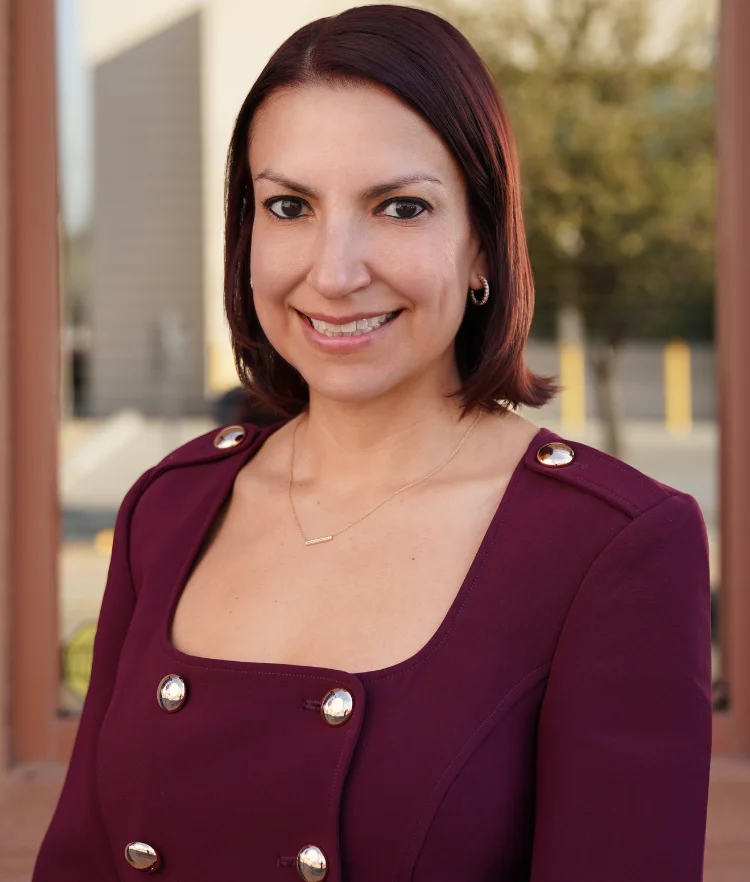 Senior Counsel
Marisa Ong is Senior Counsel at Singleton Schreiber, where she is part of the firm’s Personal Injury, Civil Rights, Mass Torts, and Sexual Assault and Human Trafficking practice groups.
Before joining the firm, she served for over ...
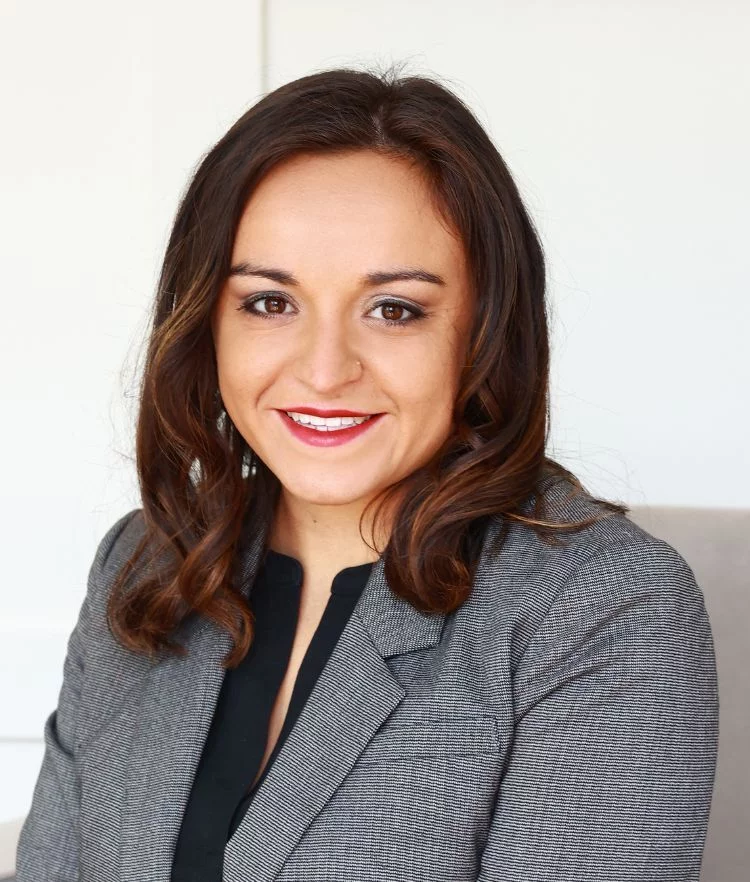 Counsel
Kristina Aiad-Toss leads the Southwest Sexual Assault and Human Trafficking practice, as well as litigation holding Roblox and other tech companies accountable for abuse of minors on their platforms. She is ...
