
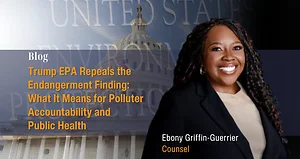
Ebony Griffin‑Guerrier, Counsel at Singleton Schreiber, outlines the implications of the Trump EPA’s Feb. 26 repeal of the Endangerment Finding, the legal framework that has supported federal regulation of greenhouse gases since 2009. The rollback weakens federal oversight of climate pollution and complicates citizen‑suit pathways for challenging industrial emissions, but it leaves intact critical avenues for accountability based on criteria pollutants and permit violations that continue to harm frontline communities.
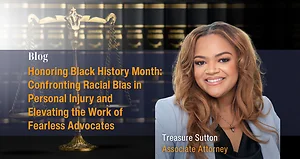
Treasure Sutton, Associate Attorney at Singleton Schreiber, examines the ongoing impact of racial bias in personal injury cases involving Black Americans and outlines the firm’s initiatives to address these challenges. Drawing on research and personal experience, she demonstrates how bias can affect medical records, damage calculations, and consistent access to treatment, often limiting recovery for Black plaintiffs. Sutton notes that systemic issues place Black communities at greater risk and calls on insurers, defense attorneys, and courts to reconsider practices that perpetuate inequality. Her perspective underscores Singleton Schreiber’s commitment to client-centered advocacy that upholds dignity, combats bias, and advances justice throughout the year, including during Black History Month.
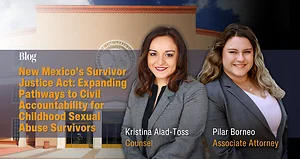
Kristina Aiad-Toss, Counsel, and Pilar Borneo, Associate Attorney at Singleton Schreiber, explain the legal and policy effects of New Mexico’s proposed Survivor Justice Act. This legislation aims to update civil timelines for childhood sexual abuse claims by extending filing deadlines and opening a window for cases that were previously barred. The bill reflects research showing that trauma disclosure is often delayed. If approved, the reform would give survivors more access to civil remedies and hold institutions responsible for systemic failures. The Act would represent a major move toward survivor-centered justice in New Mexico.
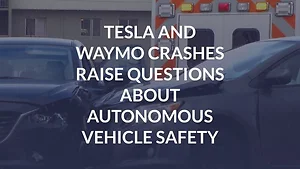
Autonomous and semi-autonomous vehicles are often marketed as the future of safer roads, promising to reduce crashes caused by human error. Advanced Driver Assistance Systems (ADAS), like automatic emergency braking, lane departure warnings, and adaptive cruise control, are designed to assist drivers and help prevent accidents, however, they are not designed to replace humans. Tesla’s Autopilot and Full Self-Driving (FSD) systems fall into this category, as they still require the driver to remain fully attentive and ready to take control at all times.
Full Automated ...

Auto insurance policies often look adequate on paper but can fall short after a serious crash. Key factors such as coverage limits, uninsured and underinsured motorist protection, policy exclusions, deductibles, and optional add-ons all play a critical role in determining whether a policy provides real financial protection. Understanding these elements before an accident happens can help drivers avoid unexpected gaps in coverage and reduce financial stress when they need support most.
