
Lawyering With, Not For: Why Community Voices Are the Foundation of Powerful Advocacy
By Ebony Griffin-Guerrier, Counsel, Singleton Schreiber
The strongest legal cases do not start in conference rooms. They start in communities where harm is felt first, understood longest, and too often ignored.
Long before a lawsuit is filed, residents already know what went wrong. They know when the water stopped smelling right, when the air became hard to breathe, when illness became common, when complaints went unanswered. Communities do not need lawyers to tell them that harm occurred. What they need is a way to make that truth impossible to dismiss.
That is where litigation, done right, comes in. Communities hold the knowledge. Lawyers bring the tools.
Impact litigation is most powerful when it treats community experience as expertise, not anecdote. People living with environmental contamination, unsafe infrastructure, or corporate negligence are not sources to be consulted after decisions are made. They are analysts of their own reality.
Trial lawyers play a specific role in this ecosystem. We do not replace community leadership. We amplify it. We bring tools communities are routinely denied, including subpoena power, expert resources, investigative capacity, and access to courtrooms where decisions are enforced. When those tools are put behind community knowledge, cases become sharper, more credible, and harder to ignore.
Community truth shapes the case from the start
Residents often understand the full scope of harm long before institutions acknowledge it. They see patterns, including where exposure is concentrated, which symptoms are spreading, and how damage compounds over time. That insight shapes everything from legal theories to discovery strategy.
In toxic exposure cases such as PFAS-contaminated drinking water, industrial fires, and chemical releases, community observations often reveal exposure pathways and health impacts that official reports miss or minimize. After a lithium-ion battery storage fire in Moss Landing, California, residents reported respiratory irritation and other health symptoms linked to toxic smoke. Subsequent independent soil testing revealed elevated heavy metals near homes, helping establish negligence claims against energy companies. The case did not begin with expert models. It began with people telling the truth about what they were experiencing.
Trust is not a messaging tactic. It is the foundation. Litigation is slow, invasive, and often retraumatizing. Communities that have already been dismissed by regulators or corporations have every reason to be skeptical of legal systems as well.
When lawyers build relationships early, before filings, press conferences, or settlement talks, it changes the trajectory of a case. Plaintiffs are better prepared. Witnesses feel supported. The narrative reflects lived reality instead of legal abstraction. Trust keeps people engaged for the long haul and ensures decisions are made with communities, not around them.
Human harm cannot be reduced to spreadsheets
Financial damages matter, but the most powerful cases are grounded in human impact, including lost health, disrupted family life, diminished safety, and broken trust.
Community-led advocacy gives those harms clarity and weight. Residents can explain how contamination changed daily routines, how parents altered their children’s lives, and how fear replaced stability. That specificity strengthens pleadings, expert testimony, and trial themes. It ensures harm is presented as it is lived, not flattened into numbers alone.
Redefining the role of the plaintiff lawyer
When communities lead and lawyers follow with strategic support, the lawyer’s role changes. We become translators between lived experience and legal systems. We use institutional power to elevate truths that have been systematically marginalized.
Cases built this way do more than seek compensation. They demand accountability, safer practices, and structural change. They are more precise, more resilient, and more likely to create outcomes that last beyond a single verdict or settlement.
The future of impact litigation is not about lawyers doing better work in isolation. It is about recognizing where expertise already exists and using legal power to make sure it is heard.
At Singleton Schreiber, we represent individuals and families harmed by corporate negligence, environmental disasters, and systemic failures that put public health and safety at risk. Our role is to provide the legal infrastructure that gives institutional weight to what residents and organizers already know. We don't lead this work; we support it. If you or your community has been impacted by toxic exposure, environmental harm, or corporate misconduct, we can help you understand your legal options and take the next step toward accountability.
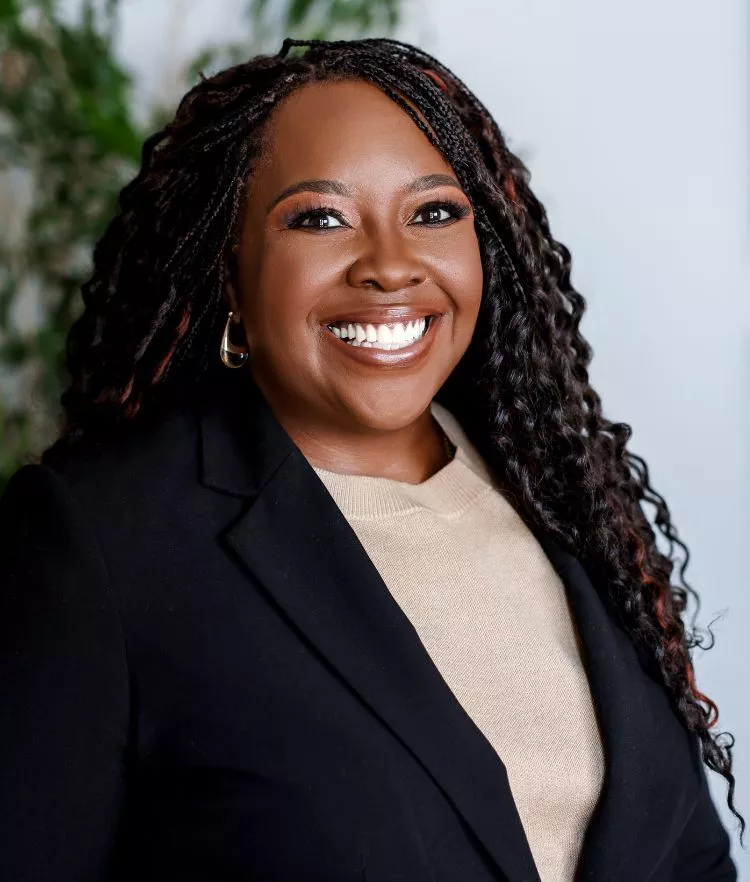 Counsel
Ebony H. Griffin-Guerrier is Counsel at Singleton Schreiber LLP and Co-Director of the firm's Impact Litigation & Policy group, where she leads legal strategy, policy advocacy, and community engagement across a broad range of ...
