

Car accidents are terrifying ordeals. Not only is your vehicle damaged, but you're often left injured, confused, and distressed. All you want is a quick resolution so you can focus on getting back to a healthy, happy life. Unfortunately, insurance companies often cause even more distress.
While insurance providers promise to have your back, or be your neighbor, their primary goal after an accident is to pay as little as possible on your claim. It is important to understand common insurance company tactics so you can protect yourself legally and financially after an accident or insurance claim denial. Here are five things insurance companies don't want you to know:
1. They Don’t Take You Seriously Unless You Have a Lawyer
Insurance companies immediately discount self-represented victims. You will be assigned an insurance adjuster who has less money to pay your claim than if you were represented. They will be slower to respond to you and might even ignore your communications. Hire a lawyer early!
2. They Will Push You to Settle Quickly—for Less
Insurance companies want you to settle fast for a lower amount than you deserve. They often offer a quick, lowball claim payout or settlement in the hopes of closing the claim before you've had time to determine the full extent of your injuries or losses. Don't rush into accepting any offer. Make sure you understand your legal options before settling.
3. They Will Deny or Delay Your Claim
It is common practice for insurance companies to deny claims altogether or drag out the claims process through delays and excuses. They bank on claimants becoming desperate enough to accept less. Stand up for your rights, be persistent, and get help from experienced injury lawyers if needed.
4. Recorded Statements Can Hurt Your Claim
Insurance adjusters frequently request recorded statements immediately after an accident. You are under no obligation to provide one. Decline requests for recorded statements whenever possible, as things you say can be misconstrued to try and deny or weaken your claim. Limit communication to written statements.
5. You Have Other Legal Options
You have legal options outside of insurance. For serious accidents where you've suffered injuries or extensive losses, you have the right to pursue litigation against any at-fault parties to recover damages above and beyond insurance limits. Insurance companies don't want you to know you have this legal right or to consult with an injury attorney regarding your options, but for maximum compensation, it may be in your best interest to do so.
Knowing and asserting your rights after a car accident in San Diego is the best way to avoid being taken advantage of by insurance companies looking out for their own interests. If something doesn't feel right about your claim or settlement, get legal advice. With experienced counsel, insurance companies know they cannot bully claimants into accepting less than fully deserved, fair compensation. With over 20 years of experience handling auto accident and injury cases, Singleton Schreiber attorneys have the knowledge and expertise to stand up to insurance companies on your behalf. If you feel you are being pushed into accepting an unfair settlement or your claim has been wrongly denied, consult with our team to review your case and legal options for pursuing fair compensation. They can help guide you through the process, deal with the insurance companies, and pursue litigation if needed so you can focus on recovery with the peace of mind that your rights and interests are being protected.
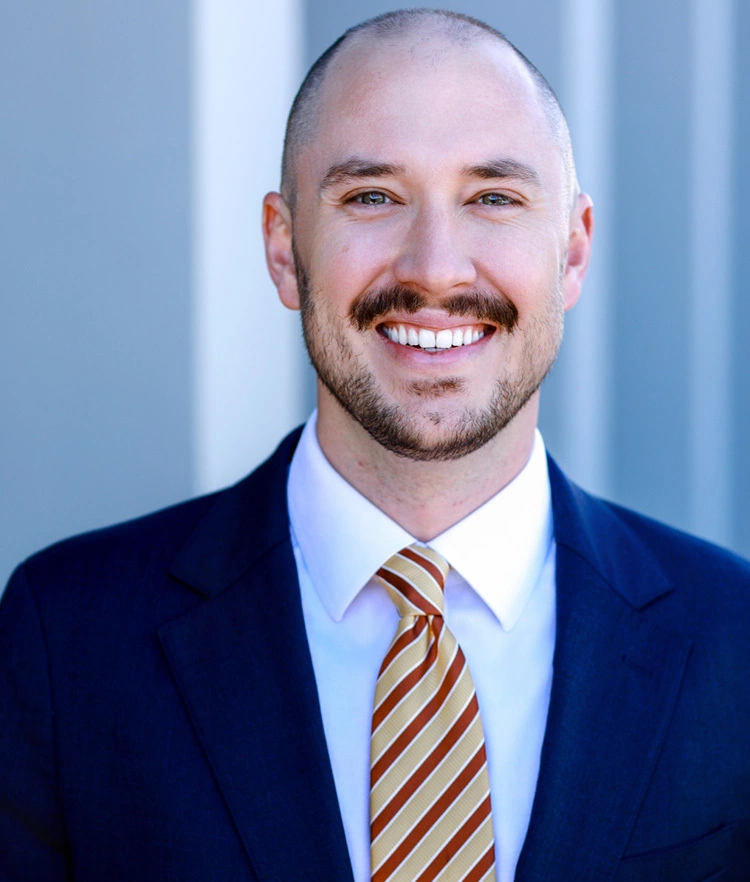 Senior Counsel
Domenic Martini is Senior Counsel in Singleton Schreiber's Personal Injury and Wrongful Death practice group, where he has built a reputation as one of San Diego's most effective trial lawyers against powerful public entities.
