
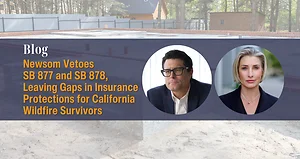
On September 27, Governor Gavin Newsom signed two wildfire insurance reforms, SB 876 and SB 1301, but vetoed SB 877 and SB 878, bills authored by Sen. Sasha Renée Pérez to help survivors of the 2025 fires. SB 877 would have clarified policyholders' right to see both preliminary and final loss calculations, and SB 878 would have set 30-day deadlines for claim responses and payments, with interest on late payments. The Governor called both bills unnecessary because existing regulations cover these issues. Yet survivor data show widespread delays and underpayments, and recent government action against insurers raises doubts about whether current rules go far enough. The article closes with practical steps survivors can take to protect their clients.

Singleton Schreiber Partners Vanessa Waldref, Daniel Fruchter, and Rich Barker discuss the Longview mill tragedy, emerging safety concerns, and wrongful death claims under Washington law.
Civil litigation offers survivors a structured, trauma-informed path to accountability and healing. From the confidential initial consultation through investigation, filing, discovery, and potential settlement or trial, the process centers survivor agency and control at every stage. Unlike criminal proceedings, civil cases can reach beyond individual perpetrators to hold institutions accountable for enabling abuse, and settlements often include policy changes that protect others. Survivors can protect their privacy through pseudonyms, receive compensation for economic and emotional damages, and achieve a public record of accountability. Jasmyne Crimiel, Associate Attorney, guides survivors through each phase with compassion and commitment to their well-being, ensuring they stay in the driver's seat of their own case.
Civil litigation offers survivors of sexual assault and human trafficking an alternative to the criminal justice system, centered on their needs and recovery. Unlike criminal proceedings, civil cases operate under a lower evidentiary standard ("preponderance of the evidence"), allow survivors to name both perpetrators and the institutions that enabled abuse, provide financial compensation for economic and emotional damages, and empower survivors with agency and control over their own case. Civil settlements can also drive systemic policy change and organizational accountability. Survivors do not need a criminal conviction or investigation to pursue civil claims. Jasmyne Crimiel, Associate Attorney, represents survivors with compassion and commitment to their well-being and full accountability.
Learn to recognize human trafficking warning signs in Alabama hospitality settings and how community awareness creates a path to survivor protection.

Survivors of sexual assault and trafficking have multiple paths to justice and safety. Jasmyne Crimiel, Associate Attorney at Singleton Schreiber, walks through confidential resources, criminal prosecution, civil lawsuits, and how to hold institutions accountable for enabling harm.

From black box data to maintenance records, truck crash cases often depend on evidence that must be secured quickly to uncover the full story.

Elizabeth Aniskevich examines Maine’s first-in-the-nation law regulating home equity investment agreements and explains how the legislation could reshape consumer protections nationwide. The article also discusses ongoing litigation involving allegedly deceptive shared appreciation contracts.

Commercial drivers face stricter standards due to the size and risk of their vehicles, yet distracted driving remains common and dangerous.
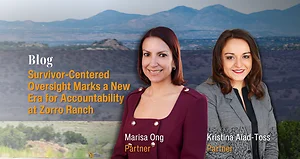
Marisa Ong and Kristina Aiad-Toss examine New Mexico’s Epstein Truth Commission, focusing on survivor-led accountability and Zorro Ranch investigations.
