Consumers allege that Nissan’s deceptive practices and defective charging system caused significant risks and limited the usability of the electric vehicles.
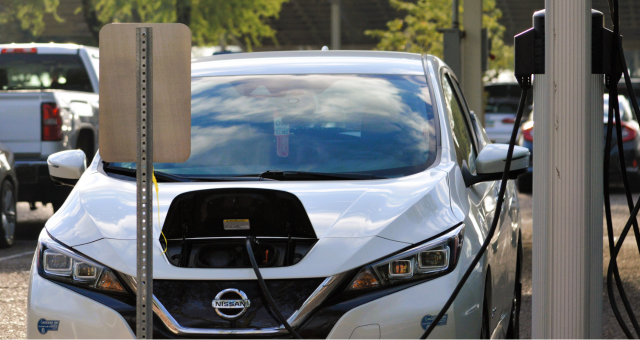
LOS ANGELES, CA – A class action lawsuit has been filed against Nissan North America, Inc. over defects in the charging system of its 2019 to 2022 Nissan Leaf vehicles.
According to the lawsuit brought on behalf of multiple owners and lessees of the 2019 to 2022 Nissan Leaf vehicles, the cars were marketed as being compatible with Level 3 fast chargers, the fastest method for charging electric vehicles. However, these vehicles are equipped with high-voltage batteries that are at significant risk of overheating during Level 3 fast charging. This flaw could lead to a fire hazard and severely limits the cars’ usability and range. This defect was allegedly known to Nissan before the vehicles were sold.
“Consumers were led to believe they could use the Level 3 charging system, only to find that a defect in the vehicle’s battery makes it too dangerous to use,” said Chris Rodriguez, a partner at Singleton Schreiber, which is representing the plaintiffs. “Nissan’s failure to disclose this defect—and to be honest about the defect when it eventually was disclosed—is a clear case of misleading advertising, and now those who bought or leased these vehicles are left without a functional car that meets the promised capabilities.”
In response to the defect, Nissan issued a notice to owners in October 2024, advising them to avoid using Level 3 charging stations while it worked on a “software fix,” but has not provided a permanent solution or “software fix” as promised. The plaintiffs are seeking restitution, civil penalties, damages for lost vehicle value, and an order requiring Nissan to replace the defective charging systems with a safe and functional solution.
The lawsuit further accuses Nissan of violating consumer protection laws, alleging fraudulent misrepresentation, negligent business practices, and breach of warranty under California’s Consumer Legal Remedies Act.
Singleton Schreiber is a client-centered law firm, focusing on mass torts and multi-district litigation, fire litigation, personal injury/wrongful death, civil rights, environmental law, insurance bad faith, tribal law, and sex abuse/trafficking.
Home to the nation’s largest fire litigation practice, the firm has represented more than 30,000 wildfire and explosion victims and played leading roles in cases such as the 2025 Eaton Fire, Moss Landing Battery Fire, Esparto Fireworks Explosion, and the 2023 Maui Fires.
Singleton Schreiber is also pursuing groundbreaking cases against Tesla for its misrepresented autopilot system and serving in leadership in the national hair relaxer litigation, as well as advocating for survivors of abuse involving major hotel chains.
With deep experience in complex claims, the firm is committed to holding corporations accountable and helping individuals, families, and communities recover.